Critics question fairness of cap rule
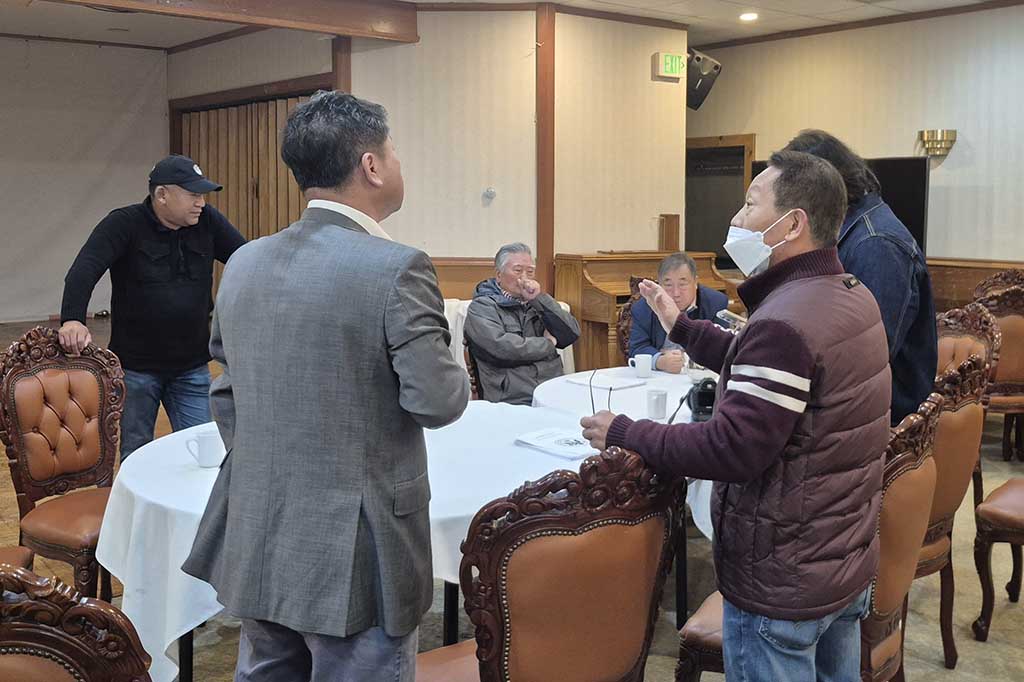
Age Limit Rule Sparks Fairness Debate Ahead of Silicon Valley Korean American Federation Election
A debate over candidate eligibility is emerging within the Korean American community ahead of the upcoming election for the 23rd president of the Silicon Valley Korean American Federation, with critics questioning whether an age limit imposed by the election committee is fair.
According to election guidelines recently announced by the federation’s Election Committee, candidates for the president and executive leadership must be Korean men or women between the ages of 25 and 70 at the start of the term.
The rule has drawn criticism from some community members who say it is difficult to justify imposing an upper age limit in an organization that exists primarily for volunteer service.
Some residents argue that restricting candidates based solely on age undermines the spirit of community service and raises concerns about fairness. Questions have also surfaced because the upper age limit does not appear in the federation’s publicly posted bylaws but was instead included in the election committee’s announcement.
say the rule could effectively prevent certain individuals from running for office, prompting speculation that the regulation may have been designed to exclude specific potential candidates.
“Leadership in a community organization should be determined by experience, ability and a willingness to serve,” one community member said. “Setting a strict age cap creates the impression that the rule may be targeting someone rather than applying fairly to everyone.”
The Silicon Valley Korean American Federation is a nonprofit organization dedicated to serving the Korean American community, promoting civic engagement, supporting youth education and advocating for the rights and interests of Korean Americans in the region.
For that reason, some community members are questioning whether an upper age limit is consistent with the organization’s founding purpose. In many other Korean American organizations and nonprofit community groups across Northern California, older leaders are often allowed to serve in top roles as long as they remain active and capable.
The eligibility rules for the presidency also require candidates to have prior experience serving as a board member or executive in a Korean nonprofit organization for a certain period of time. When combined with the age restriction, critics say the rule could prevent long-serving community leaders from even entering the race.
Some in the community warn that excluding experienced senior figures from participation could ultimately weaken the organization’s leadership pool.
“Election rules must be fair and transparent in order for the results to be trusted,” one community observer said. “It’s important to ask whether these rules are designed for the benefit of the entire Korean community.”
The controversy has also caused turmoil within the election committee itself.
The committee is chaired by former Silicon Valley Korean American Federation president Jung-dae Nam, and initially included members Min-ho Shin, Tae-ho Ko, Ho-bin Kim, and Jung-ju Lee.
However, committee members Ho-bin Kim and Jung-ju Lee resigned in protest following the announcement of the election guidelines. The committee said it plans to appoint additional members, including former federation president Yeons-ook Park, to fill the vacancies.
As the election approaches, some community members say the controversy underscores the need for clearer rules and broader consensus to ensure that the organization’s leadership election reflects the will of the community it represents.
A debate over candidate eligibility is emerging within the Korean American community ahead of the upcoming election for the 23rd president of the Silicon Valley Korean American Federation, with critics questioning whether an age limit imposed by the election committee is fair.
According to election guidelines recently announced by the federation’s Election Committee, candidates for the president and executive leadership must be Korean men or women between the ages of 25 and 70 at the start of the term.
The rule has drawn criticism from some community members who say it is difficult to justify imposing an upper age limit in an organization that exists primarily for volunteer service.
Some residents argue that restricting candidates based solely on age undermines the spirit of community service and raises concerns about fairness. Questions have also surfaced because the upper age limit does not appear in the federation’s publicly posted bylaws but was instead included in the election committee’s announcement.
say the rule could effectively prevent certain individuals from running for office, prompting speculation that the regulation may have been designed to exclude specific potential candidates.
“Leadership in a community organization should be determined by experience, ability and a willingness to serve,” one community member said. “Setting a strict age cap creates the impression that the rule may be targeting someone rather than applying fairly to everyone.”
The Silicon Valley Korean American Federation is a nonprofit organization dedicated to serving the Korean American community, promoting civic engagement, supporting youth education and advocating for the rights and interests of Korean Americans in the region.
For that reason, some community members are questioning whether an upper age limit is consistent with the organization’s founding purpose. In many other Korean American organizations and nonprofit community groups across Northern California, older leaders are often allowed to serve in top roles as long as they remain active and capable.
The eligibility rules for the presidency also require candidates to have prior experience serving as a board member or executive in a Korean nonprofit organization for a certain period of time. When combined with the age restriction, critics say the rule could prevent long-serving community leaders from even entering the race.
Some in the community warn that excluding experienced senior figures from participation could ultimately weaken the organization’s leadership pool.
“Election rules must be fair and transparent in order for the results to be trusted,” one community observer said. “It’s important to ask whether these rules are designed for the benefit of the entire Korean community.”
The controversy has also caused turmoil within the election committee itself.
The committee is chaired by former Silicon Valley Korean American Federation president Jung-dae Nam, and initially included members Min-ho Shin, Tae-ho Ko, Ho-bin Kim, and Jung-ju Lee.
However, committee members Ho-bin Kim and Jung-ju Lee resigned in protest following the announcement of the election guidelines. The committee said it plans to appoint additional members, including former federation president Yeons-ook Park, to fill the vacancies.
As the election approaches, some community members say the controversy underscores the need for clearer rules and broader consensus to ensure that the organization’s leadership election reflects the will of the community it represents.
Jeonghyun Choi / choi@baynewslab.com
Copyright © SF Bay News Lab, All Rights Reserved / Advertising Inquiry ad@baynewslab.com